
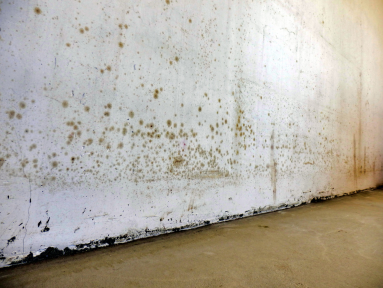
We learned this during and after COVID.
When hotel rooms were closed and HVAC operation was reduced, mold growth followed quickly and at scale. Rooms that appeared clean at shutdown were reopening with odours, staining, and widespread contamination. The issue was not cleaning standards. It was environmental control.
A housekeeping supervisor opens a guest room that has been unoccupied for several weeks. The room looks clean. Beds made, surfaces wiped, nothing visibly wrong. But the air feels heavy and near the AC vent, behind the curtain hem, small dark spots have appeared where none existed before.
By the time mold is visible, it has already been growing for days.
Across Dubai and the wider Middle East, low occupancy periods create the same conditions. Seasonal slowdowns, partially closed floors, and extended vacancy all reduce air movement and HVAC performance. Warm temperatures and rising humidity take over, turning unused rooms into ideal environments for mold growth.
The consequences go beyond maintenance. One affected room can lead to guest complaints, negative reviews, operational disruption, and remediation costs that far exceed the cost of prevention.
This guide covers what actually causes mold during low occupancy and what hotel operators need to do to control it.
Why Low Occupancy Creates the Perfect Mold Conditions
During normal operations, hotel rooms are naturally protected. Doors open, air circulates; HVAC systems run consistently, and housekeeping moves through daily. When occupancy drops, all of that stops.
Closed rooms trap moisture. HVAC systems are often scaled back to reduce energy costs, which sounds logical until humidity begins climbing unchecked. In the Middle East’s warm climate, moisture accumulates quickly in stagnant air, and mold can begin developing within 24 to 48 hours under the right conditions.
The risk is compounded by where mold tends to start. It rarely appears in obvious places first. Hidden mold in AC ducts is one of the most common and least visible problems in hotel environments. Spores establish inside ductwork and spread through ventilation systems before a single visible spot appears on a wall. Other high-risk locations include behind headboards against exterior walls, beneath carpet edges, around bathroom exhaust vents, and inside wardrobes with limited airflow.
Prevention Strategies That Actually Work
Never Fully Shut Down HVAC in Unused Rooms
The instinct to cut energy costs by switching off air conditioning on empty floors is understandable. It is also one of the most common causes of low-occupancy mold problems.
When HVAC systems are turned off, air becomes stagnant, and humidity rises quickly. At the same time, the room loses pressure stability. With the system operating, guest rooms are typically maintained in a neutral to slightly positive condition. Once switched off, that control is lost, and rooms can become negatively pressurised.
This allows untreated air to be drawn into the space through façade leakage, corridors, bathrooms, and service penetrations. In Dubai’s environment, the air is often warm and moisture-laden, accelerating condensation risk and creating ideal conditions for mold growth.
Maintaining minimum HVAC operation across unused areas keeps both moisture and pressure under control. Systems do not need to run at full capacity, but they must remain active to manage humidity and prevent infiltration.
The energy savings from shutting systems down are marginal compared to the cost of remediation, room downtime, and reputational impact once mold develops.
Keep Humidity Between 40% and 60%
Humidity is the single most important factor in mold growth. Once indoor humidity rises above 60% for an extended period, mold becomes difficult to prevent regardless of other measures taken.
Installing environmental monitoring in guest room zones allows facility teams to track humidity in real time and respond before conditions deteriorate. This is far more reliable than relying on scheduled inspections alone.
Increase Air Movement in Closed Areas
Even small steps make a meaningful difference. During maintenance rounds, opening guest room doors briefly, running bathroom ventilation fans, and allowing air movement between rooms and corridors disrupts the stagnant conditions that mold depends on. It costs nothing and meaningfully reduces risk across unused floors.
Schedule HVAC and Duct Inspections Before Problems Develop
Low occupancy periods are the right time to service HVAC systems, not after reopening when rooms are needed immediately. Accumulated dust and microbial buildup inside ductwork create the foundation for mold growth once humidity rises. A professional inspection during quiet periods catches these issues early. For guidance on what to look for, these tips from a mold inspector in Dubai are a useful starting point.
Conduct Weekly Checks of Unused Rooms
Housekeeping and maintenance teams should walk unused floors at least once a week, specifically looking for early warning signs, such as musty odours, condensation around vents or windows, and any discolouration on walls, ceilings, or soft furnishings. Early detection is the difference between a quick fix and a full remediation. If mold is discovered, acting quickly significantly limits how far it spreads.
Before Reopening: Don’t Skip the Environmental Check
When unused floors or rooms are brought back into service, an environmental assessment before guests arrive is essential. HVAC inspection, humidity checks across guest rooms, and targeted mold inspections in high-risk areas confirm that conditions are genuinely guest-ready, not just visually clean.
Professional mold cleaning services can address any issues identified before they reach a guest.
Protecting Your Property Starts Before Occupancy Returns
Mold doesn’t wait for a convenient moment. The damage it causes to guest experience, brand reputation, and physical property accumulates quietly during the periods when no one is paying close attention.
Envida works with hotels and hospitality properties across Dubai and the Middle East to identify hidden moisture risks, assess ventilation performance, and implement prevention measures before low occupancy periods create problems.
Preventing mold today protects your guest experience tomorrow.
See our simple checklist below:
| Area | Check Item | What to Look For | Risk Indicator |
| HVAC Operation | AC status in vacant rooms | System running at reduced capacity | System fully off |
| Humidity Control | Relative humidity levels | 30 to 60 percent range | Above 60 percent for sustained periods |
| Dew Point | Indoor dew point | Stable and controlled | Rising trend across rooms or floors |
| Air Movement | Airflow from supply diffusers | Consistent airflow | Weak or no airflow |
| Room Pressure | Pressure relationship | Neutral to slightly positive | Doors pulling inward, air ingress from corridor |
| Infiltration | External air entry points | Sealed façade, windows, penetrations | Drafts, warm humid air ingress |
| Bathroom Condition | Moisture and ventilation | Dry surfaces, ventilated | Condensation, damp odours |
| Condensation | Surfaces and vents | No visible moisture | Sweating grilles, ducts, or walls |
| FCU Units | Internal condition | Clean, dry, draining correctly | Wet trays, blocked drains, microbial growth |
| Filters | HVAC filtration | Clean and intact | Dirty or clogged filters |
| Duct Condition | Supply air system | Clean, no debris or growth | Dust buildup or visible contamination |
| Odour Check | Room smell | Neutral | Musty or earthy odour |
| Soft Furnishings | Curtains, carpets, beds | Dry and clean | Dampness, staining, spotting |
| Hidden Areas | Behind furniture and wardrobes | Dry surfaces | Discolouration or spotting |
| Inspection Frequency | Routine checks | Weekly minimum | Irregular or missed checks |
| Water Systems | Plumbing and traps | Functional and flushed | Dry traps, stagnant water |
Frequently Asked Questions
How quickly can mold develop in an unused hotel room?
In warm and humid conditions, mold can begin developing within 24 to 48 hours when moisture and stagnant air are present. In Dubai’s climate, unused rooms with reduced HVAC operation are particularly vulnerable.
Should hotels turn off AC systems during low occupancy?
No. Completely switching off HVAC systems allows humidity to rise rapidly in closed rooms. Maintaining minimum airflow even at reduced capacity is essential for moisture control and mold prevention during quiet periods.
What humidity level prevents mold growth in hotel rooms?
Indoor humidity should remain between 40% and 60%. Once levels rise consistently above this range, mold growth becomes significantly more likely regardless of other preventive measures.
How often should hotels inspect unused rooms for mold?
At a minimum, unused rooms and floors should be checked weekly. During warmer months or extended low occupancy periods, more frequent checks reduce the risk of issues going undetected.
Where does mold most commonly develop in hotel rooms?
High-risk areas include inside AC ducts and around vents, behind headboards against exterior walls, beneath carpet edges, around bathroom exhaust vents, and inside wardrobes with limited airflow. These areas are often missed during routine cleaning.
What should hotels do if mold is discovered during a room inspection?
Act immediately. Isolate the affected room, assess the extent of the problem, and contact a professional mold remediation service. Early intervention significantly limits the extent of mold growth and reduces remediation costs.
Can mold in AC ducts spread to other rooms?
Yes. Mold established inside ductwork can circulate spores through ventilation systems into adjacent rooms and floors. This is one of the reasons HVAC inspections during low-occupancy periods are so important: problems within the duct network are not visible during standard room checks.
