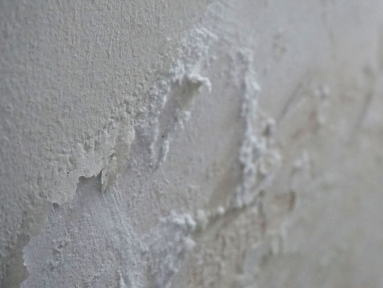
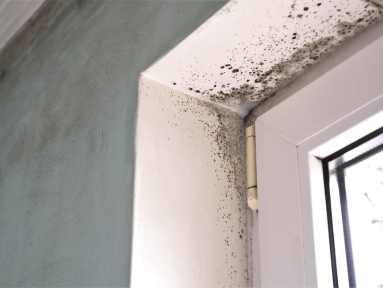
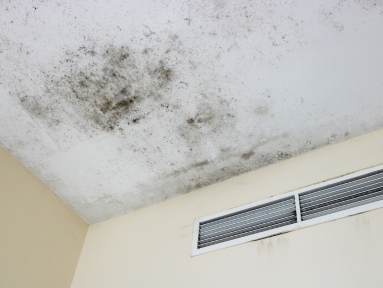
By the end of August, a commercial HVAC system in the UAE has run at or near full load for roughly six months. In that period, it has moved a large volume of air across coils, through filters, and along ductwork, while operating in an external environment with high ambient […]

Blog
Why Mold Returns After Summer: Humidity, HVAC Design, and Root Cause
Mold enquiries across UAE commercial properties rise sharply at the end of the cooling season, and in many of those cases the affected area was treated within the previous twelve months. The visible growth was removed, the surface was cleaned, and it returned to the same location or an adjacent […]
The Air Quality Risk Most Data Centres in Dubai Are Not Inspecting
Data centre managers monitor server temperatures, network latency, power consumption, and rack utilisation in real time. The precision cooling infrastructure feeding those racks, including AHUs, supply ductwork, and precision cooling units, is frequently maintained but rarely audited for air quality or particulate contamination. The two activities are not the same thing. ASHRAE Technical Committee 9.9, which sets environmental guidelines for mission-critical facilities, […]
What Your AC Maintenance Contract Does Not Cover, and Why Facility Managers in Dubai Miss It
Most commercial buildings in Dubai operate under an active AC maintenance contract. Filters are replaced on schedule, coils are cleaned, units are serviced, and the paperwork confirms compliance. What that contract rarely includes is the ductwork that connects those serviced units to every occupied space in the building. The distinction matters because […]
Your Building Passed Its Annual IAQ Test. So Why Are Occupants Still Complaining?
A point-in-time IAQ test records conditions only at the moment of measurement. For many commercial buildings in the UAE, that test takes place under conditions that may not reflect peak occupancy, extended meeting schedules, or changes in ventilation demand throughout the working day. Understanding this distinction helps facilities managers determine whether recurring occupant complaints indicate a […]
Why Mold Keeps Appearing in Buildings in UAE That Have the AC Running All Year
A common assumption in UAE building management is that a running AC system controls indoor humidity and therefore controls mold risk. This assumption is technically incomplete. While acceptable room humidity may be maintained, condensation can still develop inside ductwork and HVAC components, creating conditions that support recurring mold growth. Understanding how […]
School HVAC Hygiene in Dubai: AC Duct Cleaning, IAQ Compliance & Best Practices
The weeks before students return from summer break are often the most important in a school’s HVAC maintenance calendar. By the time September arrives, HVAC components that ran at reduced capacity through the summer have been exposed to sustained moisture conditions for months without the airflow that would otherwise indicate a developing […]
How Often Should AC Ducts Be Cleaned in Buildings in Dubai? A Building-Type Guide
One hotel cleans its HVAC system every two years. A nearby healthcare facility cleans annually. Neither schedule is arbitrary. Building type, occupancy density, operational hours, and the UAE’s specific environmental conditions all determine what a proportionate maintenance interval looks like. The sections below outline the factors that drive appropriate AC duct cleaning frequency in Dubai and […]
Mold Classification in Commercial Buildings: How Facility Managers in Dubai Should Assess and Respond
Two facility managers can receive the same mold finding and end up commissioning completely different remediation projects. The difference is usually classification. The species present, the extent of affected surface area, and the location of contamination relative to occupied spaces and HVAC infrastructure all determine what a proportionate professional response looks like. […]
A Complete Guide to Sensgreen Smart Indoor Environment Monitoring for Buildings in the UAE
A quarterly IAQ test shows acceptable results, but complaints continue between testing cycles. This is the gap that continuous indoor environment monitoring is designed to address. A blocked condensate drain, a humidity excursion in a clinical zone, or CO2 accumulation in a high-occupancy meeting room produces no visible signal until conditions have […]